
The 1935 World’s Fair That Saved San Diego—and the Story Behind Whistling Women

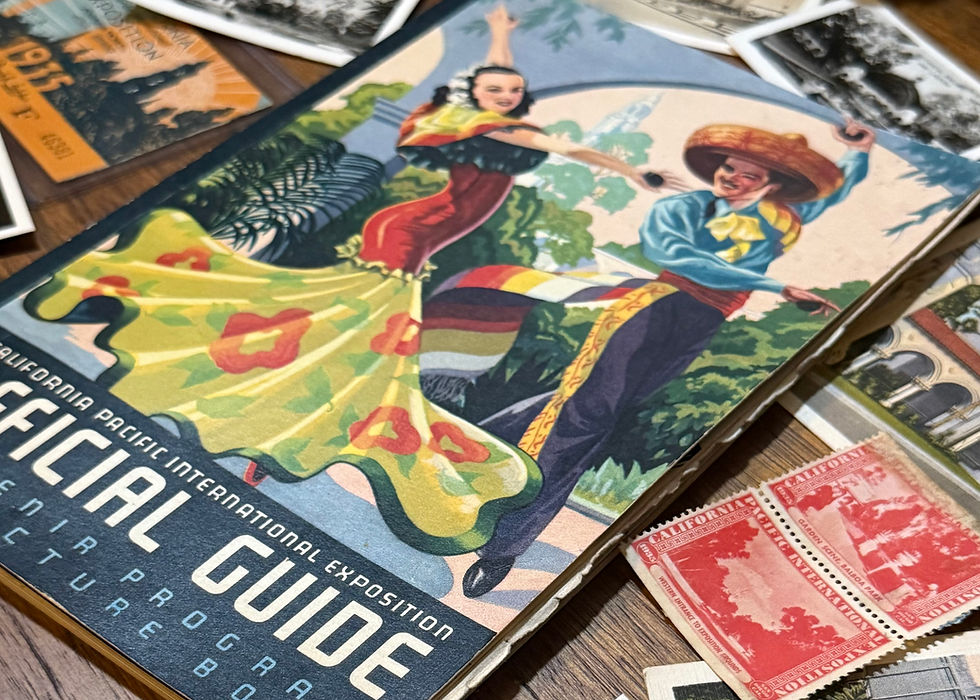
In the early 1930s, San Diego faced the same harsh reality that gripped the rest of the country. Businesses closed. Jobs disappeared. The Great Depression caused families to tighten their belts and wait for something to shift. The city needed more than patience—it needed a reason for people to come, to spend, and to believe in a future that felt uncertain. That reason came in the form of the 1935 California Pacific International Exposition.
It was a bold decision to invest in possibility during a time when resources were scarce. City leaders took a risk, choosing to build something that would draw visitors from all over the world. Thanks to the foresight of city leaders, the buildings from the 1915 World’s Fair were permanent and well-constructed. That decision allowed them to be reused two decades later for the 1935 exposition, giving the fair a strong foundation. With San Diego’s climate, agriculture, and architecture, they created an atmosphere where people could escape their worries and see hope for the future.
Visitors wandered through Spanish Colonial buildings, lush gardens, and exhibits that ranged from scientific innovation to the strange and unexpected. There were performances, cultural displays, and attractions designed to capture curiosity. Zoro Gardens, one of the more talked-about exhibits, drew crowds with its unconventional presentation. It was a place where the ordinary rules were challenged, even if only for an afternoon.
More than seven million people attended over the course of two years. Hotels filled. Restaurants stayed open. Local businesses saw life return. The exposition created jobs, supported tourism, and gave San Diego a renewed identity.
That mix of hope, distraction, and quiet desperation is what drew me to this moment in history.
Whistling Women is set against this backdrop, where beauty and uncertainty exist side by side. The fair offered opportunity, but it also created space for choices people might not have made otherwise. When survival, pride, and family collide, even a single impulsive act can carry consequences that ripple outward.
At its core, the novel explores the bond between sisters—how loyalty can both protect and complicate, and how far someone will go to shield the people they love. The exposition becomes more than a setting. It shapes the decisions, pressures, and risks the characters face.
There is something striking about a place built to celebrate progress during a time when so many felt stuck. It invites questions. What would you risk for a chance at something better? What would you hide to keep your family intact? And what happens when one decision shifts everything?
The 1935 exposition helped save San Diego in a very real way. It brought money, attention, and renewed confidence to a struggling city. But it also created a world where lives intersected in unexpected ways—where hope and consequence often walked side by side. That tension is where Whistling Women lives.
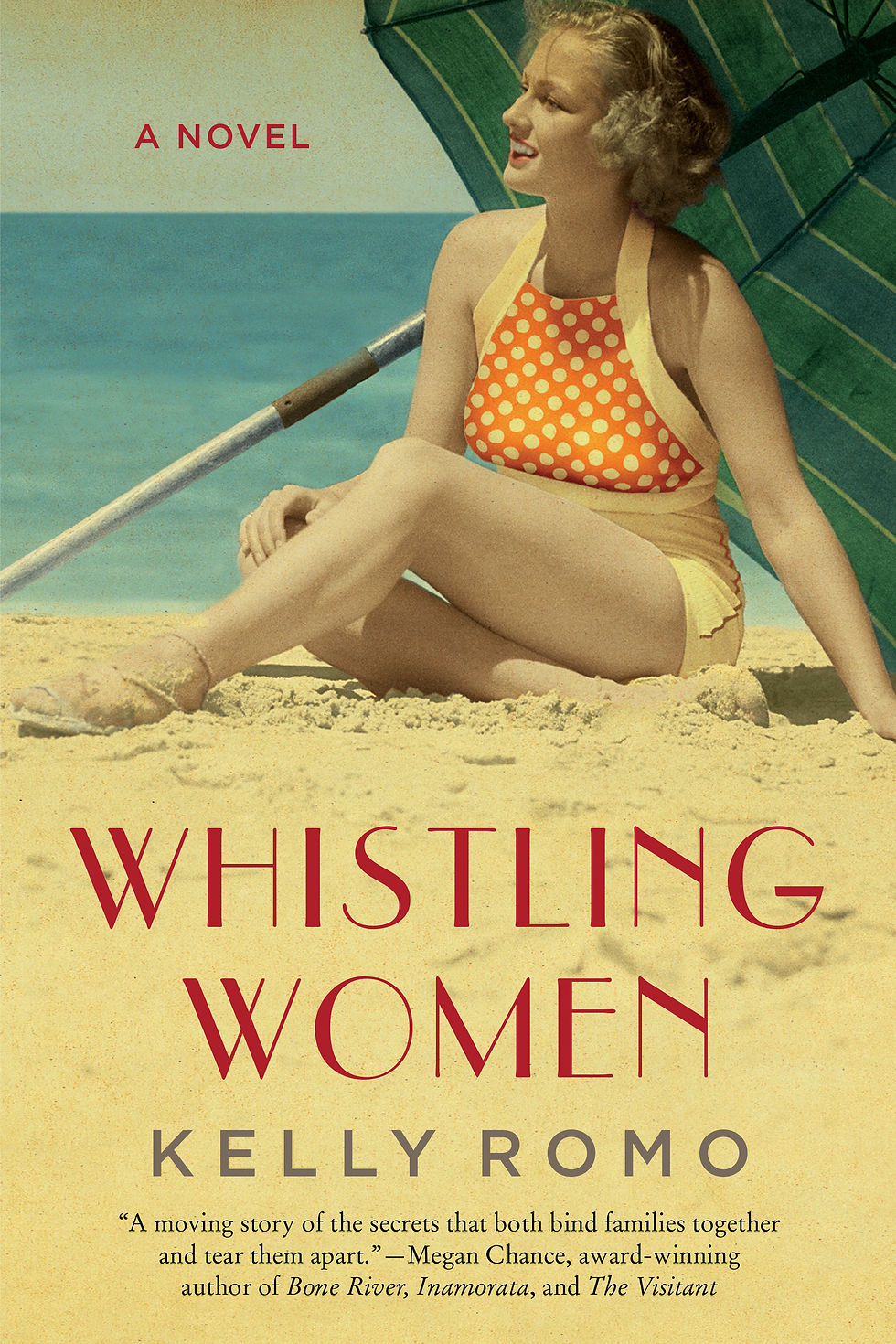
Whistling Women explores the complex relationships between sisters, the sacrifices required to protect family, and the devastating consequences of a single impulsive act.
Life went terribly wrong for Addie Bates in San Diego, and she's been running from dark memories ever since. For 15 years, the Sleepy Valley Naturist Colony has provided Addie with a safe haven to hide from the crime she committed. When the residents pack up to go on exhibit at the 1935 World's Fair in San Diego, Addie returns and must face the thrilling yet terrifying prospect of reuniting with her estranged sister, Wavey.
Addie isn't the only one interested in a reunion. When her niece, Rumor, discovers she has an aunt, Rumor is determined to bring her family together. But it's not so easy when the women are forced to confront family secrets, past and present.

Comments